Man with van movers in London

Man with van movers in London provide a practical way to move furniture, boxed belongings and mixed loads when you want the flexibility of a smaller removals team. Our service is built around straightforward transport, careful loading and sensible route planning, with support for home moves, furniture pick-up and office relocation work. If you need help moving a few items or arranging a fuller relocation, the aim is to keep the process clear, safe and suitably scaled to the job.
We work with customers who want more than a basic van hire arrangement but do not need a large removal crew. That can include single bulky items, complete rooms, light commercial contents and packed boxes that need organised handling. Careful loading matters because it reduces the chance of damage and makes better use of space, while good planning helps the move run in a sensible order from collection point to delivery.
For a quotation, start by sending the main details of what needs moving and where it is going. A clear description of the items, access at both ends and any awkward stairs or parking restrictions helps shape the plan. If you are comparing options, keep the scope honest and specific so you can choose the right level of support. Tell us what needs to move and we can discuss the most suitable approach.
House removals and home moves

House removals and home moves sit at the centre of what many people look for when they need a man with van mover. A smaller, more adaptable move can be ideal for flats, starter homes, shared properties or households that are not moving everything at once. The service can suit furniture, personal items, kitchen contents and packed cartons that need a tidy sequence of loading and unloading rather than a large-scale crew.
Our home moving work is best approached in stages. Some customers want help with a single load, while others need a fuller move with a mix of furniture and boxed belongings. A sensible plan considers what must be dismantled, what can stay assembled and which items need extra care. Useful details include lift access, parking restrictions, property type and whether there are narrow corridors or tight stairwells.
For domestic moves, timing and organisation are often as important as vehicle size. If items are arranged in the right order, it becomes easier to protect fragile belongings and keep heavier pieces stable. A well-planned move also helps when there are several drop-off points or when one part of the load is going into storage. You can ask for a quotation once the main list is ready and the route is known.
Furniture pick-up and single-item transport

Furniture pick-up is a useful option when you only need help collecting a sofa, wardrobe, bed frame, table or other bulky purchase. A man with van approach is often chosen for these jobs because it gives you transport and handling without committing to a larger removals operation. It can also be a practical way to move items bought privately, collected from relatives or transferred between homes.
Single-item transport still benefits from proper preparation. Measuring doorways, checking whether an item can be carried in one piece and confirming if it needs two people are all sensible steps. If the item is fragile, heavy or awkward to turn, it may need blankets, straps or disassembly before loading. Those small checks help reduce avoidable delays and make the collection safer for everyone involved.
When customers ask for a price on furniture collection, the most helpful information is usually the item type, the collection and delivery postcodes, and any access issues at the properties. If you are not sure whether an item will fit, describe it as fully as possible. Clear information first usually leads to a more accurate quote and a smoother collection day.
Office relocation services and commercial moves
Office relocation services and commercial moves need a calm, organised approach because business items often include desks, chairs, archive boxes, IT equipment and stock that must arrive in usable order. A man with van mover can be a practical fit for smaller workplaces, satellite offices and phased commercial relocations where flexibility matters more than a large fleet. The service can help move items between floors, across town or between sites.
Commercial work often depends on clear labelling and sensible sequencing. Boxes may need to be grouped by department, equipment should be packed with care and furniture may need to be dismantled before the move. A smaller vehicle can be helpful where access is tight or where the load is being moved in stages. If there are several stops, the route should be set out in advance so the move follows a logical order.
For a business move, it helps to know what must be kept together, what can be carried separately and whether any items are especially delicate. Some customers need a one-off delivery of office furniture, while others need the contents of a workspace moved with minimal disruption. Either way, a concise list and a realistic schedule make it easier to plan the work and prepare a quotation.
About London

London is a vast capital shaped by centuries of change, with layers of Roman, medieval, Georgian, Victorian and modern development visible across its districts. The River Thames remains a strong organising feature, curving through the city and linking a wide range of neighbourhoods, riverfront spaces and bridges. Historic centres such as the City and Westminster sit alongside areas that grew rapidly through industrialisation and suburban expansion, creating a landscape of contrasts rather than a single uniform pattern. That variety is visible in the city’s streets, from formal terraces and mansion blocks to warehouses, council estates and contemporary commercial buildings. Major landmarks include the Tower of London, St Paul’s Cathedral, the Palace of Westminster, the South Bank and the historic markets and squares that continue to shape daily life. Green spaces are also part of the picture, with Royal Parks such as Hyde Park, Regent’s Park and Greenwich Park offering open ground in a densely built metropolis. London’s transport network, cultural institutions and neighbourhood identities make it a place of constant movement, yet each district keeps its own local character through architecture, shops, places of worship, theatres and community venues. The city’s history is not confined to monuments; it is also found in docklands, old village centres absorbed by the urban spread and the many streets that reflect successive periods of building and rebuilding.
Packing and handling for safer moves
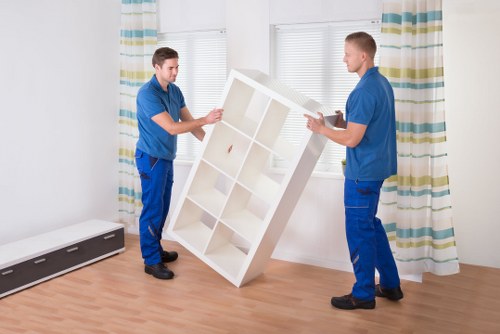
Packing and handling are central to any move where items need to travel securely in a van rather than in a large crate or pallet. Even when customers pack themselves, the way boxes are filled and sealed affects how well they move on the road. Sturdy cartons, clear labelling and even weight distribution make it easier to stack items safely, especially when the load contains mixed household goods, kitchenware or fragile pieces.
Some items need more than a standard box. Mirrors, screens, lamps, artwork and disassembled furniture may require extra wrapping or a separate place in the van. It is also useful to keep essentials together so they can be found quickly on arrival. If you are organising the move in stages, one simple method is to separate items into groups such as keep with you, load first and needs protection, which can reduce confusion on the day.
When asking for a quotation, one short list can make a big difference. Include the main items, the number of boxes or bags, the pick-up and drop-off points and any access concerns. If you are comparing service levels, think about whether you need loading help, unloading help or both. Once the scope is clear, it becomes easier to choose a move that fits the property, the timetable and the amount of support required.
Pricing factors and quotation details
The cost of a man with van move is usually shaped by the amount being carried, how much labour is needed and the distance between addresses. Access can also matter, especially where there are upper floors, tight stairs, restricted parking or longer carries from the vehicle to the door. A simple one-stop collection is often different from a multi-drop move or a job that involves a mixture of furniture, boxes and specialist handling.
It helps to think about the work in practical terms rather than using a broad estimate. For example, a load of boxed belongings is not the same as several wardrobes and a sofa, even if both fit within the same route. Likewise, a straightforward ground-floor collection is different from a property with narrow turning space or no nearby parking. Accuracy in the initial enquiry is the best way to keep the quote relevant.
If you want a clear figure, describe the job as it stands today rather than the version you hope to have after packing. Mention any items that may still be added, any collection deadlines and whether the move is part of a larger home or office change. That gives enough context for a sensible response and avoids unnecessary back-and-forth before the booking is arranged.
Why smaller removals can be a sensible choice
Smaller removals can suit customers who want a balance between independent packing and full-scale moving support. A man with van arrangement often works well where the total load is modest, the properties are accessible and the move benefits from a flexible vehicle rather than a larger team. It can also be useful when the job involves buying or delivering a few key items instead of emptying an entire house.
The main advantage is usually practical rather than dramatic. You have one coordinated service handling the transport, with enough room for care and planning, but without the complexity of a major relocation. That can make it easier to move around busy roads, fit into tighter spaces and manage smaller collections with a focused schedule. For some customers, the key benefit is simply that the work is sized appropriately.
Keep the scope matched to the load and you are more likely to get a move that feels manageable. If you are unsure whether your job suits a man with van setup, compare the number of large items, the amount of packing and the level of access involved. That will usually show whether the move is better treated as a light relocation, a furniture collection or a fuller domestic job.
Planning, access and move-day preparation
Good planning is not about overcomplicating the move; it is about removing avoidable friction. A few details can make the job much easier: where the van can stop, whether parking permissions are needed, whether doors or lifts are wide enough and whether any items must be taken apart before loading. If several people are involved, it also helps to agree which items are travelling first and which belong with a separate delivery.
Move-day preparation usually works best when it is simple. Make a basic inventory, group loose items together and keep important paperwork or valuables separate. If anything is particularly delicate, say so early and explain how it should be handled. For business customers, it may also help to label boxes by room, department or priority so the unloading stage is faster and more orderly.
When the details are ready, ask for a quotation and include any timing needs that matter to you. A short, honest summary is often more useful than a long general message, because it makes the job easier to assess and reduces misunderstandings. If you already know the collection and delivery points, that is usually enough to start the conversation.
Removal services for mixed and awkward loads
Removal services are not limited to full house clearances or large office moves. Many jobs sit somewhere in between, with a combination of furniture, boxes, small appliances and a few awkward items that need an experienced approach. A man with van mover can be a sensible choice for this kind of mixed load because the vehicle and handling can be matched to the actual contents rather than to an oversized plan.
Awkward loads often need a bit more judgement. A tall cabinet may need to go in before smaller cartons, while a heavy table may need to be turned carefully to protect its legs. Items with soft finishes, glass parts or loose fittings may require extra wrapping or separation. It is also useful to decide early whether everything is going to one address or whether the drop-off will be split between different places.
If your move includes items that are not standard boxes or furniture, say so in the enquiry and list them individually if possible. That makes it easier to judge space, weight and handling needs without guesswork. A practical removals plan is usually built from small, accurate facts rather than vague estimates, which is why a simple item list can be more valuable than a broad description of the job.
Home and business moves across the city
Home and business moves across the city can be arranged with a single vehicle and a focused loading plan when the job is smaller or more specific. That might mean transporting a flat’s contents, moving a home office, taking furniture to another borough or helping a shop or studio relocate a limited set of items. A sensible man with van service is often chosen when you need movement, care and adaptability in one arrangement.
The route and the load should work together. Cross-city journeys may require attention to timing, while local moves are often shaped more by access and loading space. In either case, the key decisions are the same: what must travel, what needs protection, what can be moved in one piece and what should be dismantled. Once those details are clear, the move becomes far easier to plan.
If you are ready to move forward, use the quotation step to set out the essentials in one place. The best enquiries are brief but complete, covering what is being moved, where it is going and any special handling needs. That gives the move a clear starting point and helps you choose the right level of support without unnecessary complication.