Guide to packing fragile antiques for long-distance removals
Moving a fragile antique across town is one thing. Moving it hundreds of miles, over changing road surfaces, through loading bays, stairwells, and maybe a rain-slicked driveway at the other end, is a different story altogether. If you are trying to protect a family heirloom, a delicate mirror, a marble figurine, or a Victorian side table, the packing stage matters just as much as the journey itself. This guide to packing fragile antiques for long-distance removals is built to help you do it properly, calmly, and with fewer nasty surprises.
In our experience, most damage happens because items are packed too tightly, too loosely, or with the wrong materials. Not dramatic stuff. Just small mistakes that snowball. The good news? With the right method, you can make antiques far more resilient for a long-distance move, whether you are handling them yourself or booking professional help through services like packing and unpacking services, house removals, or a flexible man and van option.
Below, you will find a practical, human guide: what to pack, how to pack it, what to avoid, and when it is worth bringing in extra support. Lets face it, some objects are just too precious to wing it.
Table of Contents
- Why careful antique packing matters
- How the packing process works
- Key benefits and practical advantages
- Who this is for and when it makes sense
- Step-by-step packing guidance
- Expert tips for better results
- Common mistakes to avoid
- Tools, resources and recommendations
- Law, compliance, standards and best practice
- Options, methods and comparison table
- Case study or real-world example
- Practical checklist
- Conclusion
- Frequently asked questions
Why Guide to packing fragile antiques for long-distance removals Matters
Antiques are not just old objects. They are often awkwardly shaped, unusually weighted, and already carrying the wear of age. That combination makes them vulnerable during long-distance removals. A piece that survives daily use for decades can still crack from one careless lift or one poor layer of wrapping.
The issue is not only impact. Long-distance moves also introduce vibration, temperature changes, repeated handling, and stacking pressure. A ceramic vase might look safe on a shelf, then arrive with a hairline crack because it spent three hours rubbing against a box seam. A carved chair leg can loosen if the item was not immobilised properly. A gilt frame can scuff because the packing material shifted in transit.
This is why antique packing is part protection, part planning, and part patience. You are not simply covering an object. You are building a small transport system around it.
For larger moves, or when antiques are being packed alongside household furniture, it can help to think about the whole journey. That is where wider moving support, such as removal services or a reliable removal company, becomes genuinely useful. The packing is one part of the chain; loading and transport matter too.
How Guide to packing fragile antiques for long-distance removals Works
The basic idea is simple: reduce movement, absorb shock, and keep pressure off weak points. In practice, that means choosing the right materials, wrapping the item in layers, padding the box correctly, and loading it so it cannot shift during transit.
A solid antique packing process usually follows this rhythm:
- Assess the item for weakness, loose parts, and repair needs.
- Clean it lightly and dry it fully.
- Wrap delicate surfaces with a non-abrasive inner layer.
- Add a cushioning layer that absorbs knocks.
- Place the item in a strong box or crate sized for the object.
- Fill voids so the antique cannot slide, tilt, or settle.
- Mark the package clearly and load it upright where needed.
That sequence sounds straightforward, and to be fair it is. The trick is not skipping steps because the item "seems fine". The things that seem fine are often the ones that suffer in a van when a route gets bumpy near the end of the journey.
For buyers comparing moving support, the practical side often comes down to whether they need help with the whole move or just the hardest pieces. If that sounds familiar, it is worth looking at options like home moves, house movers, or even man with van removal for smaller-scale, high-care transport.
Key Benefits and Practical Advantages
Good packing is not only about avoiding breakage, although that is the obvious benefit. It also makes the whole move less stressful and more organised.
- Lower breakage risk: Proper cushioning protects brittle materials such as porcelain, glass, ceramics, lacquer, and thin wood detailing.
- Better load stability: Boxes that are tightly packed and clearly labelled are easier to position securely in the vehicle.
- Faster unpacking: Labelled, item-specific boxes save time at delivery and reduce the chance of accidents when everyone is tired.
- Less emotional strain: You are less likely to spend the night worrying about a clock, mirror, or inherited cabinet rattling around in the back of a van.
- Cleaner claims trail: If you are using insured removal support, careful packing makes it easier to show what was done and how the item was handled.
There is another benefit people overlook: better decision-making. Once you start packing antiques properly, it becomes easier to decide what should travel with you, what might need specialist crating, and what is better moved separately. That is valuable, especially for families moving from a larger London home or from neighbourhoods with tight stair access, like Chelsea, Kensington, or Wimbledon.
Who This Is For and When It Makes Sense
This guide is for anyone moving antiques over a significant distance and wanting a lower-risk, more controlled process. That includes homeowners, renters, collectors, executors handling inherited pieces, interior designers, and sellers who are moving stock between locations.
It makes particular sense if you are moving:
- ornate mirrors and picture frames
- porcelain, ceramics, and china
- grandfather clocks or clock cases
- marble tops and decorative stone items
- fine furniture with fragile joints or veneer
- glass cabinets, lamps, and display pieces
- decorative objects with sentimental rather than market value
If the item is bulky as well as fragile, you may need more than standard cardboard and tape. Some pieces need a custom box or partial crating. If the antique is especially valuable or difficult to replace, it is often sensible to get advice from experienced house removalists or a broader removal companies comparison before deciding how much to do yourself.
And if you are only moving a few items rather than a whole home, a smaller vehicle can be the better fit. In those cases, a moving van or removals van may be enough, provided the packing is properly done. That part matters more than most people realise.
Step-by-Step Guidance
Here is the practical part. Take your time with it. Rush is where the damage begins.
1. Inspect and document each antique first
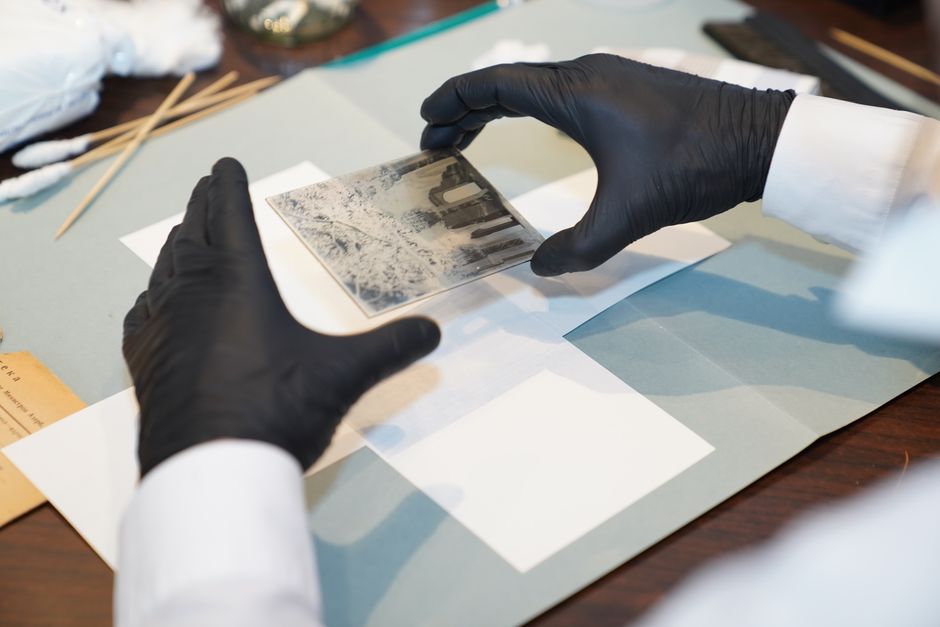
Before anything is wrapped, inspect the item in good light. Look for loose joints, flaking finishes, old repairs, chips, hairline cracks, and missing pieces. Take photos from multiple angles. If the piece has drawers, lids, hinges, or removable parts, note them separately.
This is not being fussy. It is smart. If a side chair already has a wobble or a ceramic handle is partially detached, the packing plan changes immediately.
2. Clean gently, not aggressively
Dust and grit can act like sandpaper under wrapping. Use a soft cloth, a brush with a clean edge, or a microfibre duster. Avoid wet cleaning unless you know the material will tolerate it. Old finishes, gilding, and veneers can react badly to moisture.
Truth be told, this is where people often overdo it. They want the item looking perfect for the journey and end up introducing more risk. Gentle is better.
3. Remove loose parts and package them separately
Where it is safe, remove keys, shelves, legs, ornaments, handles, or glass inserts. Wrap each piece separately and label it clearly so the parts are reunited easily at the other end.
A practical example: a cabinet mirror can often be removed and packed flat, while the cabinet body is padded independently. That reduces the chance of the mirror carrying stress through the whole move.
4. Choose the right wrapping layers
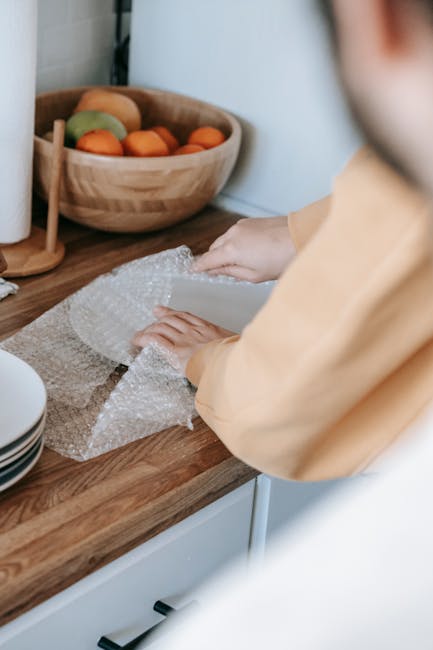
Use a soft, non-abrasive first layer such as acid-free tissue paper, clean paper padding, or soft wrapping paper. Then add a cushioning layer such as bubble wrap, foam wrap, or quilted moving blankets depending on the item.
Avoid letting bubble wrap touch highly delicate finishes for long periods, especially if the item is antique varnish, fragile gilt, or old paintwork. A tissue barrier helps reduce that risk.
For furniture, blankets and corner protectors are often better than a mountain of plastic. For smaller glass or ceramic pieces, layered wrap inside a rigid box is usually safer.
5. Build the box or crate around the item, not the other way round
The box should be strong, dry, and the right size. Too large, and the item moves. Too small, and pressure points form. The ideal is snug, with cushioning all around, but no compression on fragile surfaces.
Use double-walled boxes for heavy or delicate pieces where possible. For especially valuable antiques, a custom crate may be justified. It sounds a bit grand, perhaps, but sometimes that is the correct answer.
6. Fill voids so nothing shifts
Every gap matters. Use packing paper, foam inserts, air cushions, or folded blankets to stop movement. When you gently shake the box, you should not hear the item knocking or sliding.
If you do hear movement, repack it. That sound is a warning, not background noise.
7. Seal, label, and orientate the package clearly
Label each box with the contents, room destination, and handling note. Phrases such as fragile, this side up, or do not stack are useful, though they do not replace proper packing. They just support it.
For long-distance removals, consider writing a simple inventory on the box or on a separate move sheet. It helps when several antique items are travelling together.
8. Load with care and use vehicle placement wisely
Fragile antiques should not be buried under heavy boxes or wedged next to unstable loads. Keep them where they will not be crushed, and avoid putting them beside items that can leak, shift, or rattle.
This is where professional support can make a real difference. A trained crew using a suitable removal truck hire or an appropriately sized moving truck will understand load balance, tie-down points, and how to reduce movement during the drive.
Expert Tips for Better Results
Small details often make the biggest difference. A few practical habits can protect an antique far better than just buying more bubble wrap.
- Keep heavy and fragile items separate. Do not pack a set of books into the same box as a delicate vase just because the space is there.
- Use corner protection. Frames, mirrors, and table edges are especially prone to knocks.
- Protect surfaces from abrasion. Felt, tissue, and clean cloth layers prevent the little rub marks that appear after a few hours in transit.
- Distribute weight evenly. If one side of a box is much heavier, pressure builds in a way that is hard to see but easy to damage.
- Make one box, one item where needed. Some antiques simply should not be shared with anything else.
- Let the item breathe where appropriate. Very old materials, especially in damp weather, should not be sealed in a way that traps moisture unnecessarily.
A slightly old-school tip: if you are unsure whether a wrapping material is too rough, rub it lightly against the back of your hand. If it feels scratchy there, it will not suddenly become kinder to a polished antique on the road.
If the move includes furniture or decor you do not want to keep, you can also coordinate timing with furniture pick up so the home is lighter and the packing area is easier to manage. That can take a surprising amount of pressure off the day.
Common Mistakes to Avoid
Most antique damage comes from a handful of predictable errors. Avoid these and you are already ahead of the pack.
- Using thin supermarket boxes. They collapse too easily for valuable or heavy items.
- Wrapping too tightly. Pressure can crack fragile edges and stress aged joints.
- Leaving empty space inside the box. Movement is the enemy, full stop.
- Packing mixed materials together. Glass against wood, metal against lacquer, or stone against ceramic is asking for trouble.
- Forgetting to label orientation. Some pieces need to stay upright.
- Assuming the removal team will "know". Clear instructions help, especially if multiple boxes look similar.
- Ignoring old damage. An existing crack needs special care, not optimism.
One more thing. Do not overestimate how much a sticker can do. A fragile label is useful, yes. But it does not fix loose packing. It is not magic. It just isn't.
Tools, Resources and Recommendations
You do not need a warehouse full of specialist gear, but the right materials save time and reduce risk. Here is a sensible starter set:
- double-walled cardboard boxes
- acid-free tissue paper
- bubble wrap or foam wrap
- moving blankets
- packing tape and paper tape
- corner protectors
- marker pens and labels
- inventory sheets or a phone checklist
- small zip bags for screws, keys, and fittings
- strap ties or securing materials for vehicle loading
For more involved moves, especially in London where access, parking, and loading windows can be a headache, it may be wise to work with an experienced removals team or a local movers service that understands tight entrances, stairs, and timed deliveries. That local knowledge counts for a lot.
If you are planning the wider move too, the pages on pricing and quotes and insurance and safety are worth reviewing early. The best move is usually the one that has been planned before the boxes appear in the hallway.
Law, Compliance, Standards and Best Practice
For most households, antique packing is not a heavily regulated activity in itself. However, there are still sensible UK best practices to keep in mind, especially if you are hiring a removals provider or transporting valuable goods.
First, use a company or service that is clear about handling expectations, insurance arrangements, and complaints procedures. If something is not clear before the move, ask. A reputable provider should be able to explain how fragile items are handled and what happens if damage occurs. The site's terms and conditions and complaints procedure can be useful reference points for understanding how service issues are managed.
Second, if you are arranging transport for particularly valuable antiques, check whether your own home insurance or specialist cover needs to be updated before the move. That is not something to guess at. Policies vary.
Third, handling staff should follow basic health and safety expectations: safe lifting, clear walkways, sensible stacking, and equipment used properly. If you are booking a team, it is fair to expect a sensible standard of care. For broader reassurance, review the company's health and safety policy and payment and security information.
Finally, if sustainability matters to you, it is reasonable to ask about reuse of packing materials, recycling of cardboard, and waste reduction. Antique packing does not have to be wasteful. A lot of the material can be reused if it stays clean and intact. The page on recycling and sustainability is a useful starting point if you want a more considered move.
Options, Methods, or Comparison Table
There is no single perfect method. The right choice depends on fragility, value, size, and distance. Here is a practical comparison.
| Method | Best for | Pros | Limitations |
|---|---|---|---|
| Standard wrapping and box packing | Small decorative antiques, framed prints, ceramics | Affordable, easy to organise, good for short to medium moves | Less protection for high-value or highly fragile pieces |
| Layered packing with rigid double-walled boxes | Medium-value items, lamps, small furniture components | Strong balance of protection and cost | Needs careful void filling and correct sizing |
| Custom crating | Very valuable, oversized, or unusually shaped antiques | Excellent stability and shock resistance | Costlier and usually overkill for simple items |
| Professional packing service | Busy households, large collections, high-risk moves | Saves time, reduces handling errors, better for complex items | Requires trust in the provider and clear instructions |
If you are deciding between DIY packing and bringing in help, ask yourself one simple question: would you be comfortable carrying that item down a flight of stairs if the box suddenly shifted? If the answer is no, it probably deserves more than a quick wrap and hope.
For local or regional transport, a lighter service such as man and van removals or man with a van may be enough. For larger homes or multiple antiques, a more complete house removalists setup is usually more practical.
Case Study or Real-World Example
A fairly typical long-distance move might involve a family relocating from a Victorian terrace in south London to a house outside the city. Among the usual furniture, they have three fragile antiques: a gilt-framed mirror, a ceramic lamp base, and a small oak writing desk inherited from a grandparent.
The mirror is wrapped in acid-free paper, then protected with corner guards and a thick blanket. The ceramic base is packed separately in a double-walled box with void fill on all sides. The writing desk has its drawers removed, each one labelled and wrapped independently. The desk itself is padded at the corners and loaded upright, not on its side.
On the moving day, there is that familiar mid-morning pause when everybody is waiting for the van to be loaded and the kettle has just gone cold. The antiques are placed first, before heavy boxes, and secured so they cannot slide. At the destination, the unpacking is slower than usual, but safer. No panicked rushing. No scraping noises. No last-minute "did anyone see the screws?" moment.
The main lesson? Planning the item sequence matters. The move feels calmer when the fragile pieces are treated as priority objects rather than leftovers at the end of the job.
Practical Checklist
Use this checklist before your antiques go anywhere:
- Photograph each item from multiple angles
- Note existing damage, cracks, or loose fittings
- Clean gently and dry fully
- Remove detachable parts where safe
- Wrap the item in a soft first layer
- Add cushioning that suits the material
- Use a strong, correctly sized box or crate
- Fill all gaps to stop movement
- Label the box with contents and handling notes
- Keep an inventory list
- Load fragile pieces before heavy items
- Check insurance and service terms in advance
Expert summary: the safest antique move is usually the one where nothing can move inside the box, nothing heavy is stacked on top, and every item has a clear path from room to vehicle to destination. Simple, but not always easy.
Conclusion
Fragile antiques ask for a little more attention than ordinary belongings, and long-distance removals raise the stakes even further. The winning formula is not mystery or luck. It is careful assessment, proper materials, correct box sizing, sensible loading, and a refusal to cut corners when something looks delicate.
If you remember only one thing from this guide to packing fragile antiques for long-distance removals, let it be this: the item should not be able to shift, rub, or sink under pressure at any point in the journey. If it can, repack it. That extra five minutes can save years of regret.
For larger homes, complicated access, or several high-value pieces, booking extra support can be a smart move. You can explore removal services, compare removal companies, or get a clearer picture of your move through contact us. If you are still planning the wider relocation, the main homepage is a good place to start.
Get a free quote today and see how much you can save.
Move the precious things properly, and the rest of the day tends to feel a lot lighter.
Frequently Asked Questions
What is the safest way to pack fragile antiques for a long-distance move?
The safest method is usually a layered system: soft inner wrap, cushioning outer wrap, a sturdy double-walled box or crate, and enough void fill to stop movement. The key is preventing the antique from shifting, rubbing, or bearing pressure from other items.
Should I use bubble wrap directly on antique furniture?
Not always. Bubble wrap is useful as a cushioning layer, but very delicate finishes may benefit from a soft tissue or cloth barrier first. For painted, gilded, or fragile varnished surfaces, direct contact can be a little risky if the wrap sits on the item too long.
How do I pack an antique mirror so it does not crack?
Protect the glass, corners, and frame separately. Use corner guards, a soft protective layer, and then a thicker wrap or blanket. Keep the mirror upright if that suits the frame design, and never leave it loose in a box. It should fit snugly and not wobble.
Is it better to hire professionals for valuable antiques?
Usually yes, especially if the antiques are large, irreplaceable, or awkward to move. Professional packing can reduce handling errors and save time. If the item is valuable enough to make you nervous every time you look at it, that is probably a sign to get help.
What type of box is best for fragile antiques?
Double-walled cardboard boxes are often a solid choice for smaller antiques. For heavier or highly valuable items, a custom crate or reinforced container is better. The box should be strong, dry, and sized so the item cannot slide around inside it.
Can I pack different antiques together in one box?
Sometimes, but only if the items are compatible in size, weight, and fragility. Glass should not rub against ceramic, and heavy items should not sit above lighter ones. For the safest result, many antiques are better packed individually.
How far in advance should I start packing antiques?
Start early if you can. Two to four weeks before the move is sensible for most households, and even earlier if you have a collection or specialist pieces. That gives you time to source materials, take photos, and decide whether any items need custom packing.
Do I need to label fragile antique boxes in a special way?
Yes, clear labels help. Mark the box with the contents, destination room, and any orientation notes such as "this side up" or "do not stack". Labels do not replace proper packing, but they do reduce mistakes during loading and unpacking.
What should I do if an antique already has a crack or loose part?
Treat it as more fragile than usual. Photograph the condition, avoid unnecessary movement, and package the item so no pressure is placed on the damaged area. If it is especially valuable, specialist advice may be worth considering before the move.
Is insurance important for antique removals?
Yes, it can be very important. Check what your own policy covers and what the removals provider includes. Insurance terms vary, so it is wise to understand them before moving day rather than after something has gone wrong. Much easier that way.
Can a man and van service handle fragile antiques?
Yes, provided the service is experienced, the vehicle is suitable, and the antiques are packed properly. Smaller services can be a very good fit for a few fragile items, especially when the move does not require a full-size removal crew.
How do I choose between packing myself and booking packing services?
Choose DIY if the items are manageable, you have time, and you can get the right materials. Choose packing services if you are short on time, dealing with high-value pieces, or simply want a more controlled process. There is no prize for doing everything the hard way.
What is the biggest mistake people make with antiques during removals?
The biggest mistake is allowing movement. Whether it is an undersized box, too much empty space, or weak loading in the van, movement causes knocks, abrasion, and stress fractures. If you stop movement, you remove most of the risk.
Can I ask the removals team about health and safety and handling procedures?
Absolutely. You should feel comfortable asking how items are lifted, packed, and loaded. A professional team should be able to explain its handling practices clearly. That kind of conversation is a good sign, not an awkward one.
Where can I get help if I need a moving quote or extra support?
You can start with the company's quote or contact pages, then compare the level of service you need against your inventory and timing. If your move includes several antiques or awkward access, it is often better to discuss it early rather than leave it until the last minute.